
Kajal Kunda & Karela Van
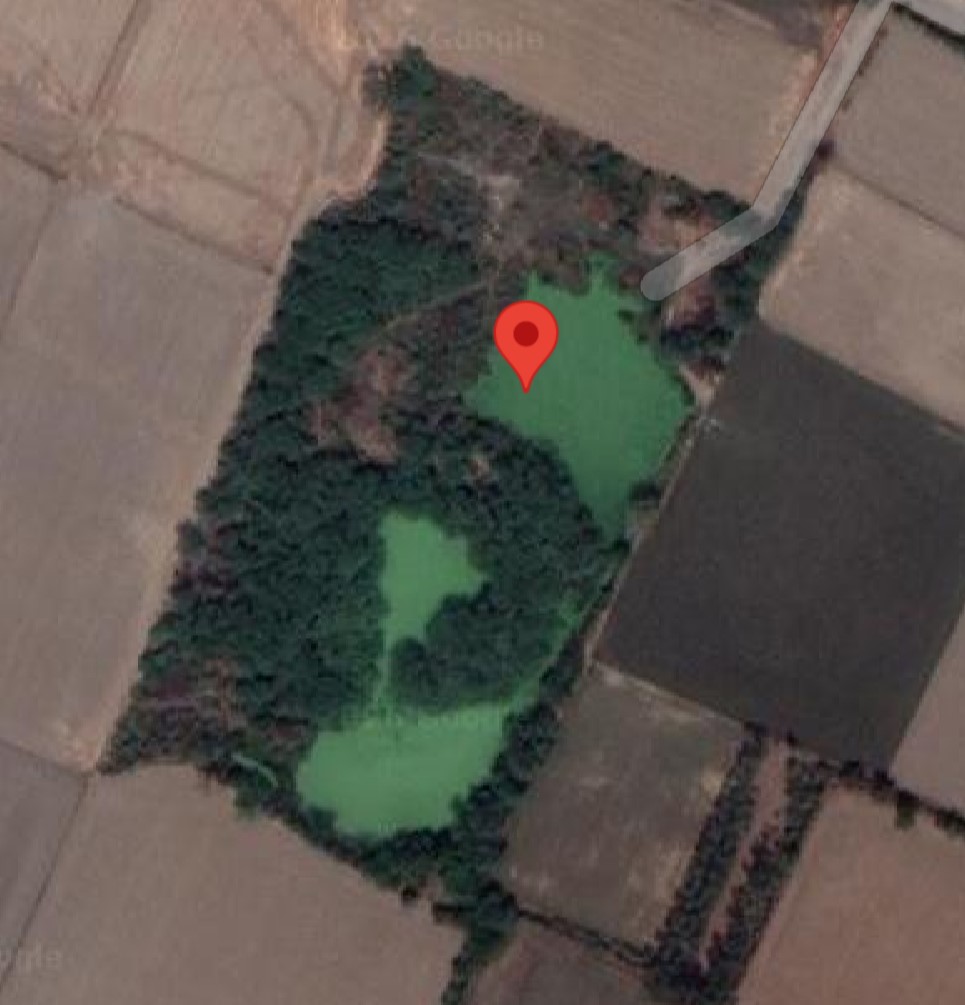
Size & Extent
Kunda (pond):
Summer water spread: ~1,610 m²
Post-monsoon water spread: ~3,800 m²
Perimeter:
Summer: ~158 m
Post-monsoon: ~256 m
Average depth (current):
Summer: ~0.5–0.7 m
Post-monsoon: ~1.0–1.5 m
Surrounding forest area:
Approximately 3.5 acres
Semi-arid landscape
Forest dominated by Vilayati Keekar (Prosopis juliflora)
Sparse native vegetation
Low soil moisture retention
High surface runoff during monsoon
Contributes sediments and nutrients to the pond
Rain-fed pond, no permanent wastewater inflow
Filled by:
Direct rainfall
Surface runoff
Seasonal nala inflow during monsoon
Rarely dries completely but shrinks sharply in summer
Water used by local farmers for irrigation
Pond banks used for cow dung patty preparation
Water Quality Status
pH: 7.9 (slightly alkaline)
BOD: 12.8 mg/L (high organic pollution)
COD: 48 mg/L (elevated organic load)
TSS: 42 mg/L (sediment and organic matter)
TDS: 1,988 mg/L (very high dissolved solids)
High organic pollution from animal waste and decaying biomass
Nutrient inflow from agricultural runoff during rains
Severe siltation, reducing depth and storage capacity
Unstabilized banks, leading to erosion
High dissolved salts, concentrated during summer evaporation
Poor ecological health, with absence of fish
Degraded catchment forest, dominated by invasive species
Shallow, silted, rain-fed pond with strong seasonal variability
Ecologically stressed and progressively losing water-holding capacity
Surrounded by degraded semi-arid forest contributing to runoff and sediment load
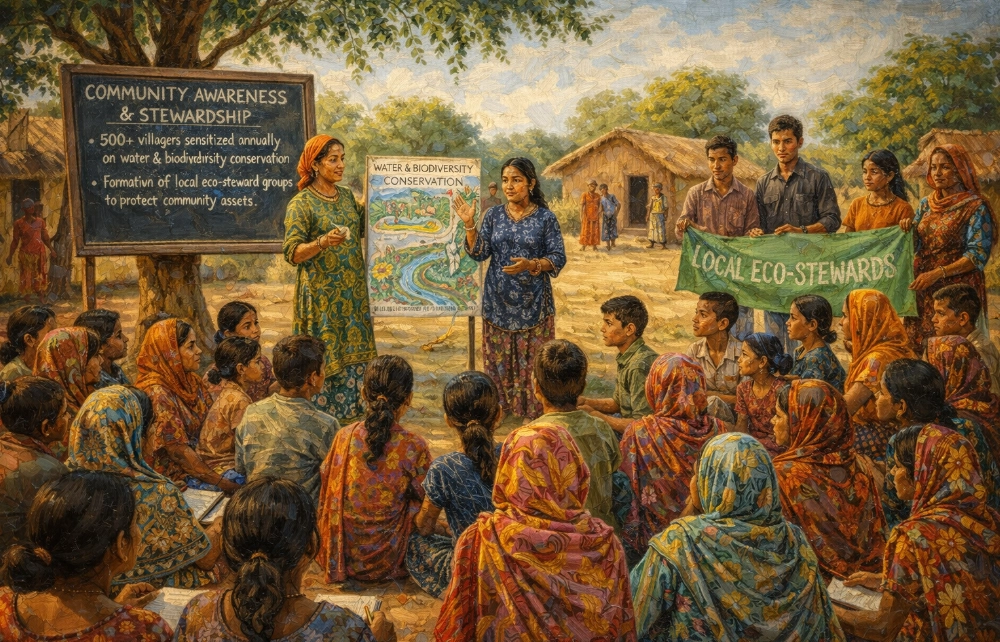
We want to rejuvenate the kunda, replenish the forrest, educate the locals, protect the animal habitats, and welcome the visitors.
Phase 1
Rejuvenation of Kajal Kunda & Forest
Clean Water & Green Diversity
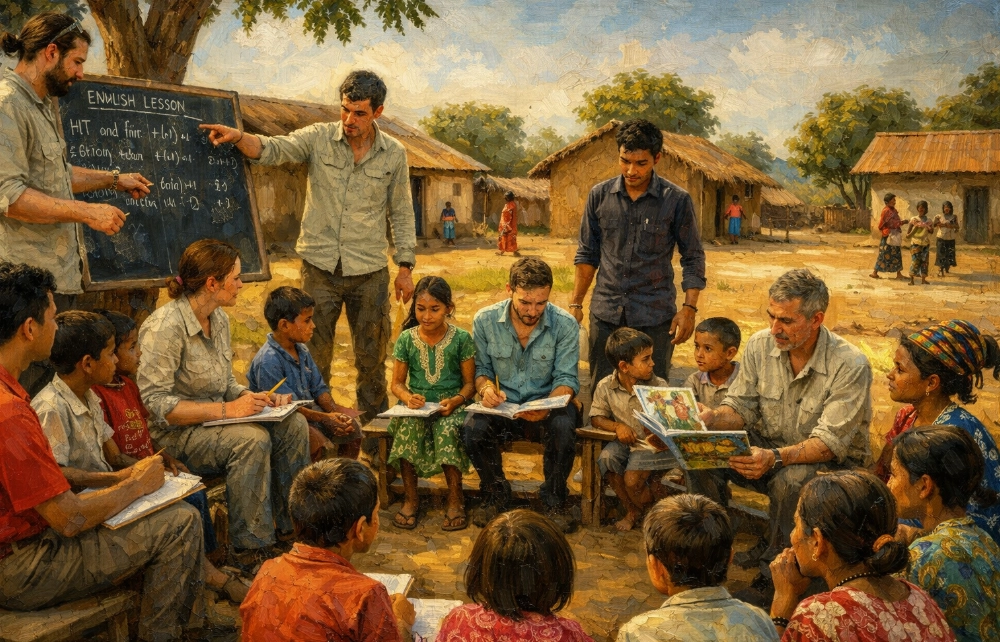
Community Center
Education & Food For Locals
Phase 2
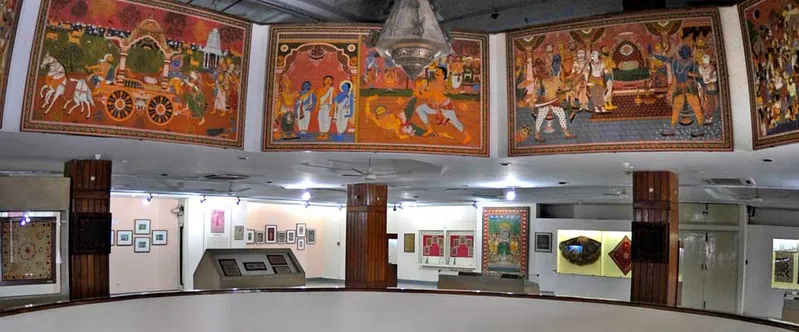
Heritage Museum
Story Telling and
Heritage Preservation
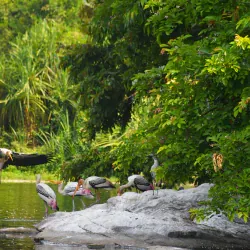
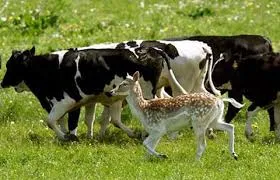
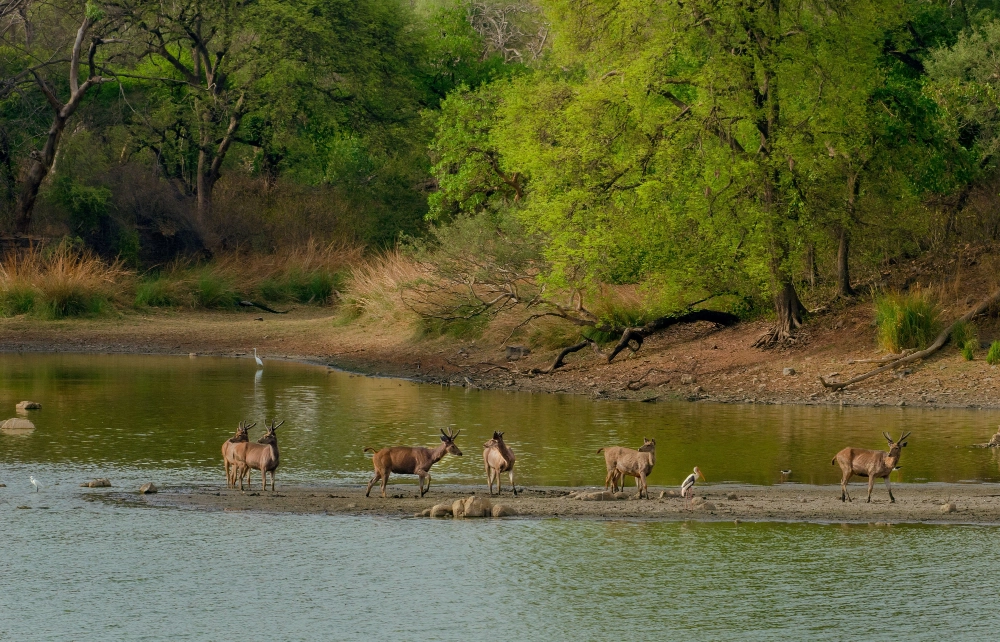
Animal Habitat
Support Wildlife, Fishes and Birds
Radhakripa Nandagrama Charitable Trust proposes an integrated environmental restoration and community development project in Nandagaon, Uttar Pradesh, focusing on the rejuvenation of a 5-acre degraded sacred landscape, including a 1.5-acre traditional Kunda and 3.5 acres of surrounding land. Crucially, the Trust recognizes that physical rejuvenation alone will not endure. Unless the Kunda and forest are evolved into a vibrant center for education that holds tangible relevance for locals and visitors, these heritage sites risk falling back into cycles of exploitation and neglect. Consequently, this project adopts a holistic approach, weaving together waterbody rejuvenation, habitat restoration, and community education to foster long-term stewardship.
The project is led by Radhakripa Nandagrama Charitable Trust, with international collaboration from:

community engagement and cultural design

animal welfare and habitat restoration expertise
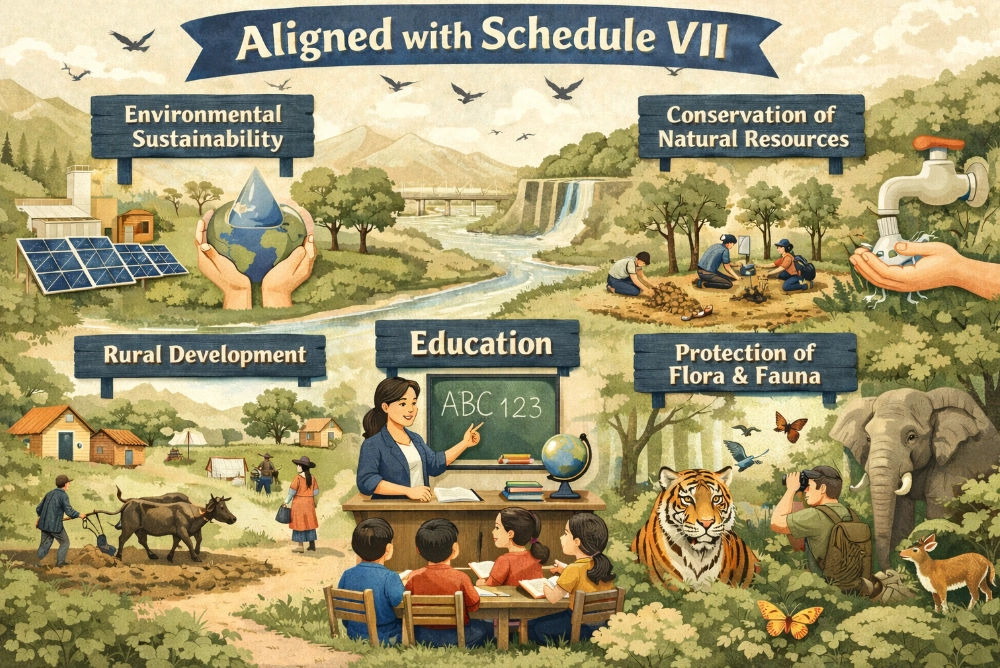
Kunda Rejuvenation & Purification
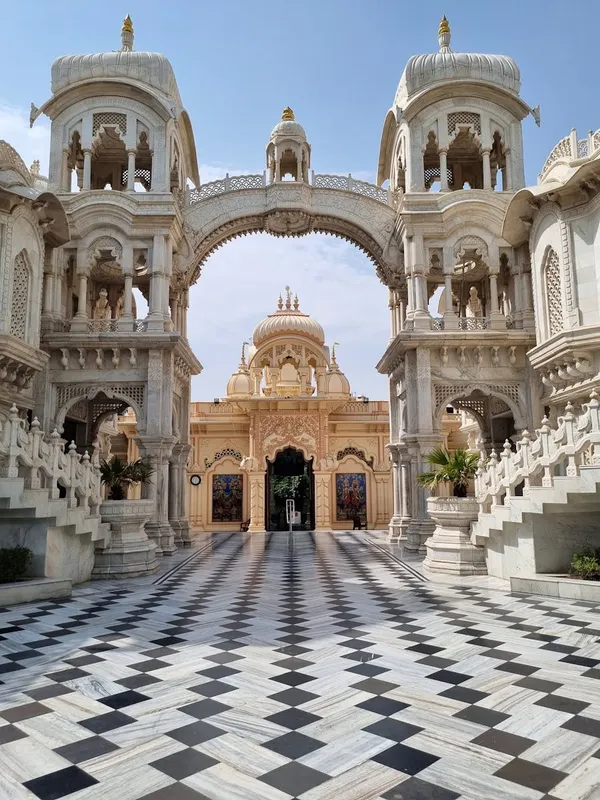
Temple & Community Center
Heritage Museum
Animal Sanctuary
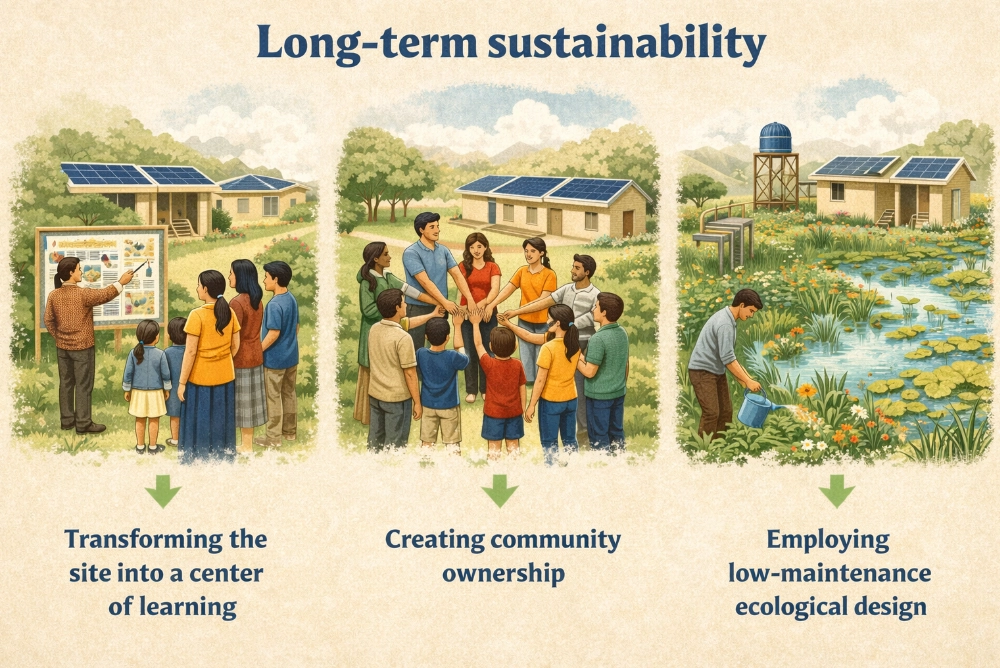
Long Term Stewardship
Perpetual Promise
Best Design
Practices
French Museums
are world famous
Inspire Others
through Our
Experience
We will create a
model project
Full Transparency to Govt. & Public
Quarterly Income/Expense & Performance reports